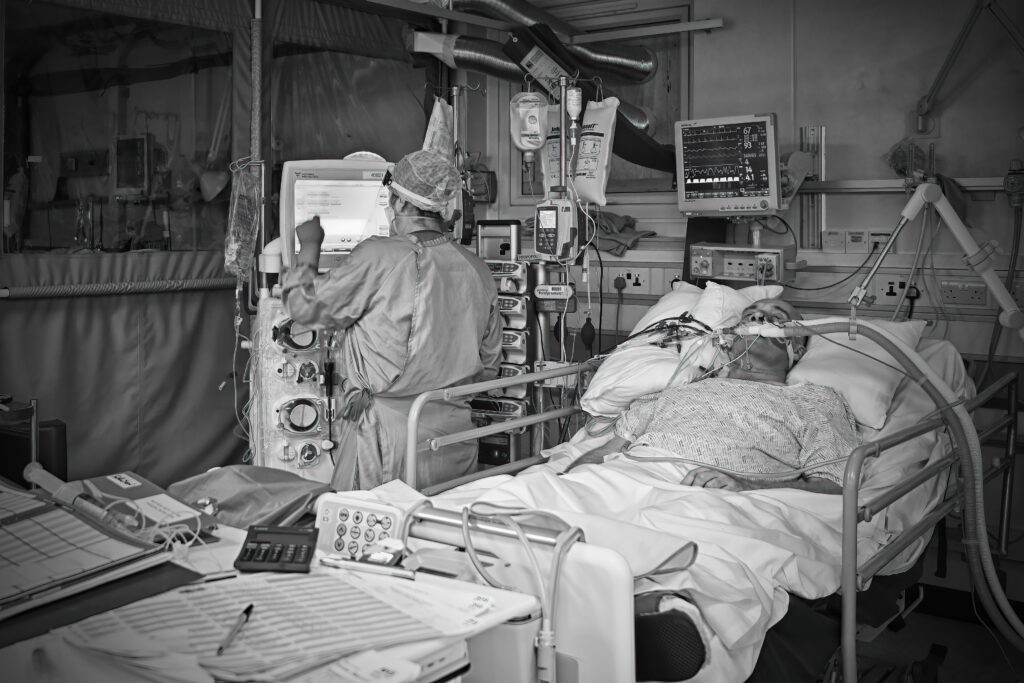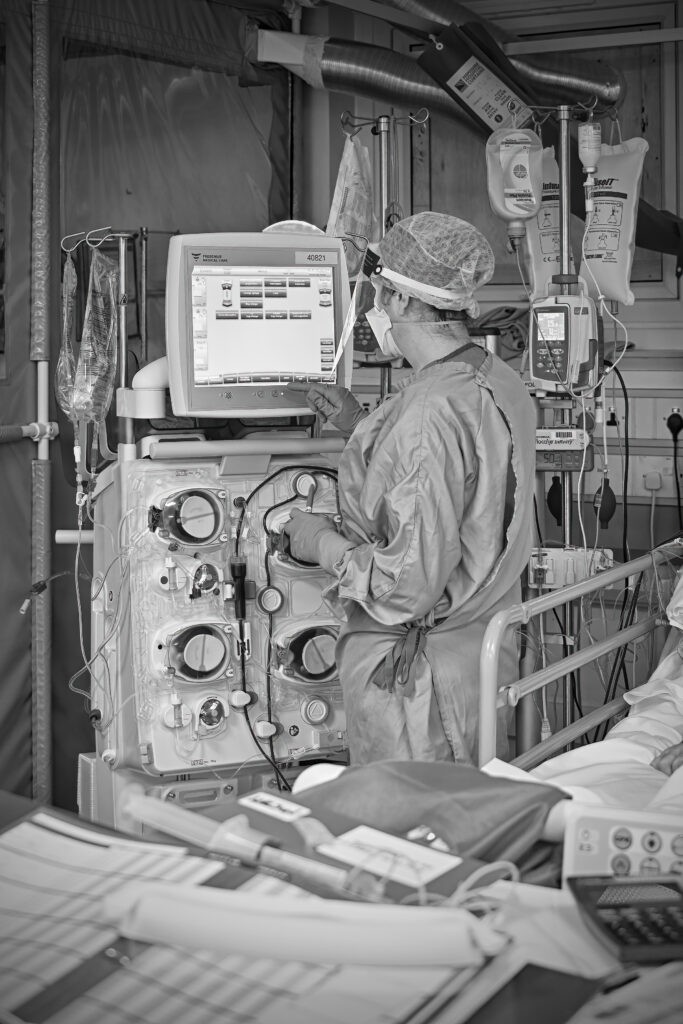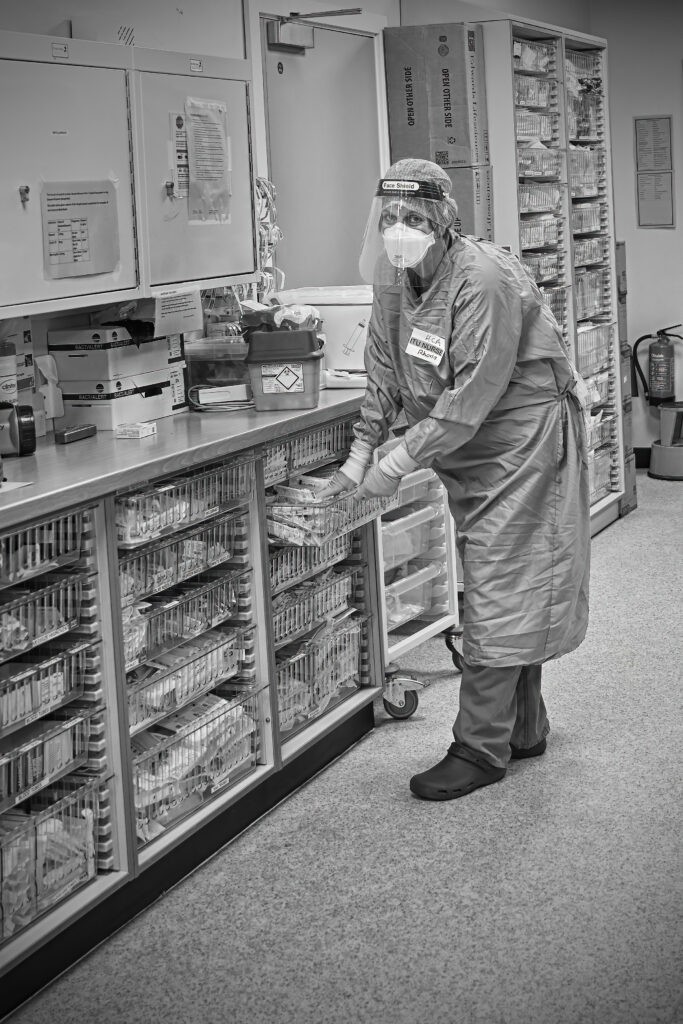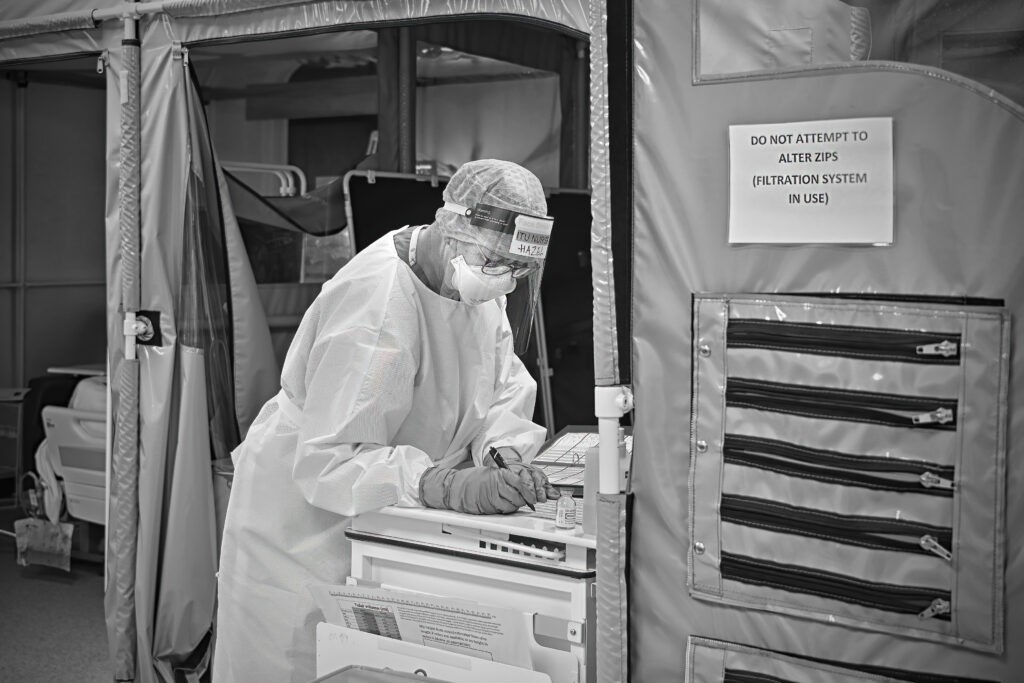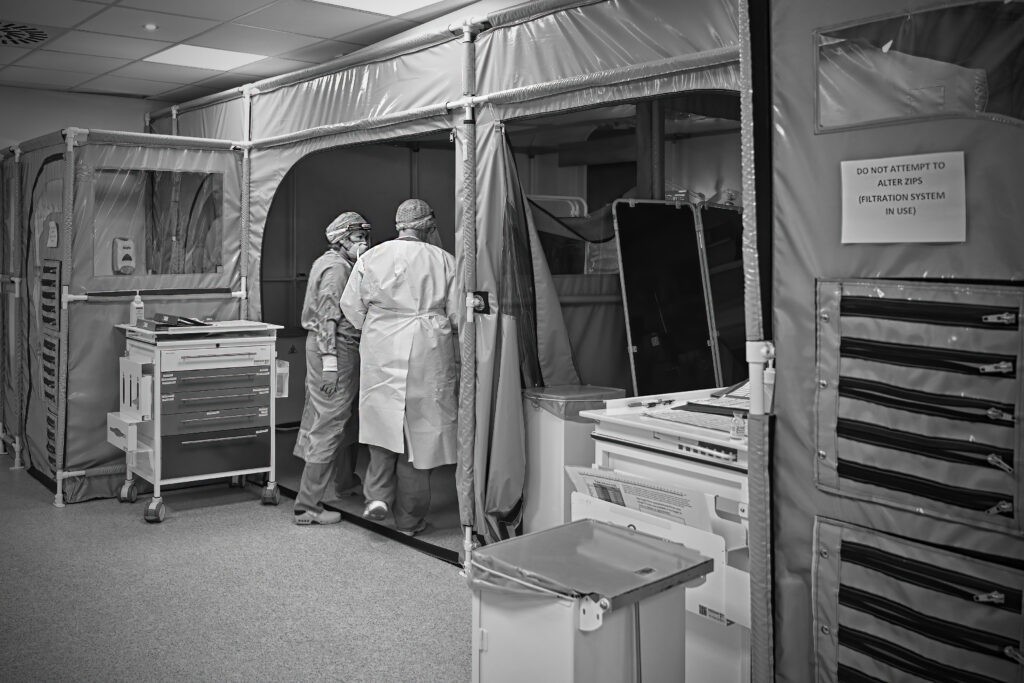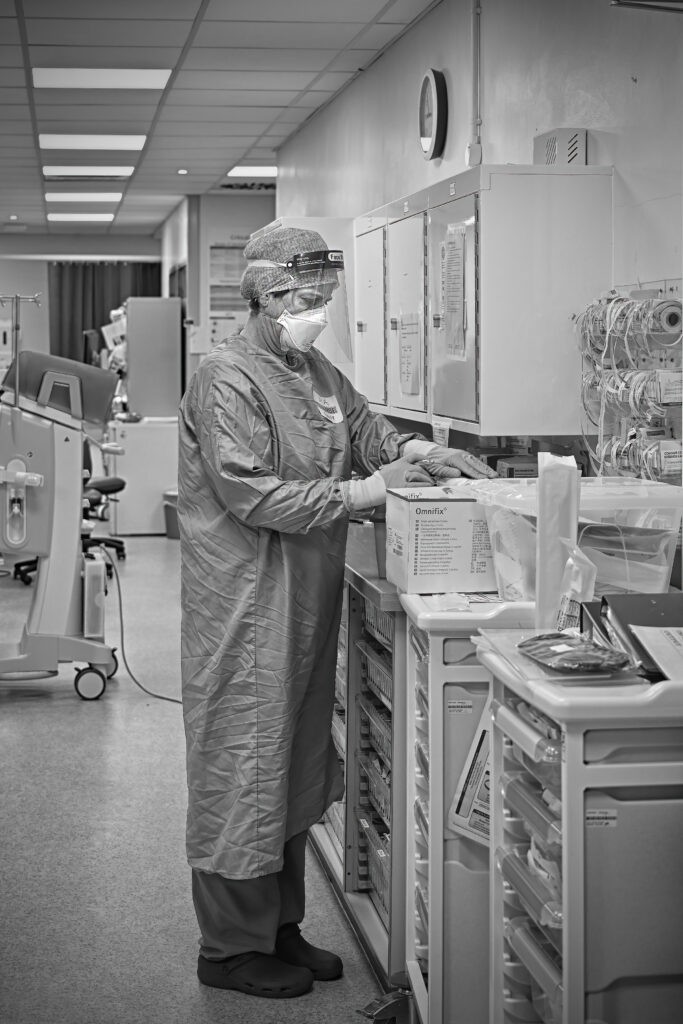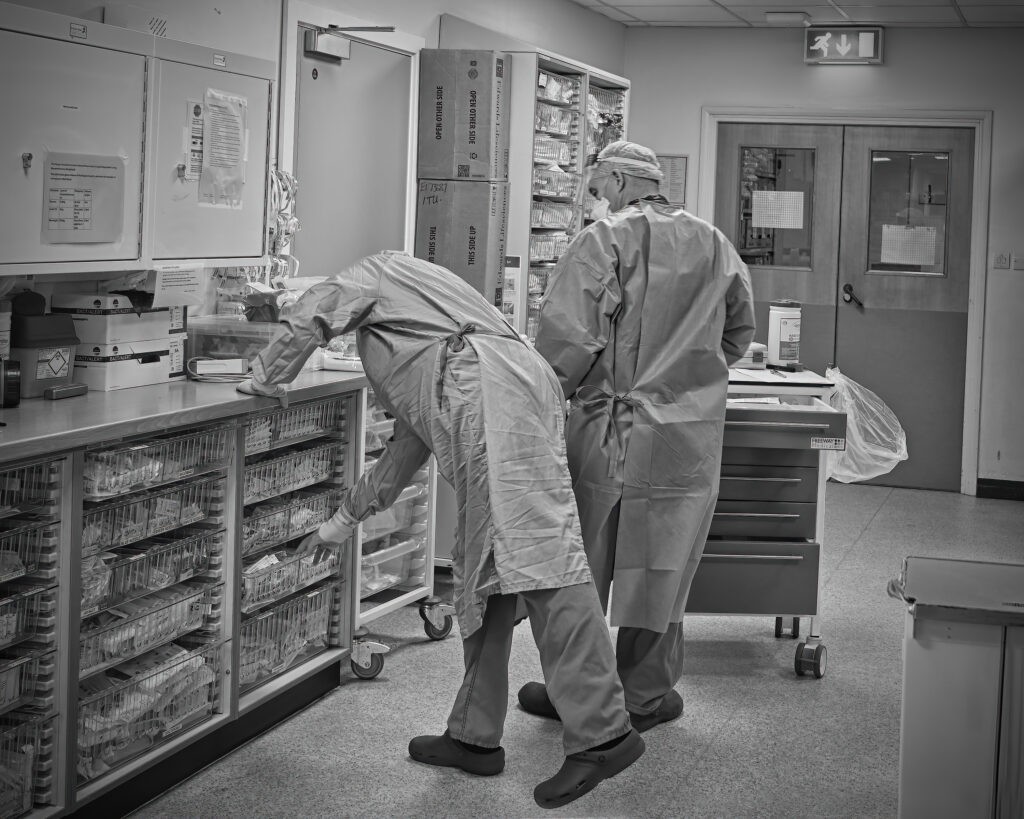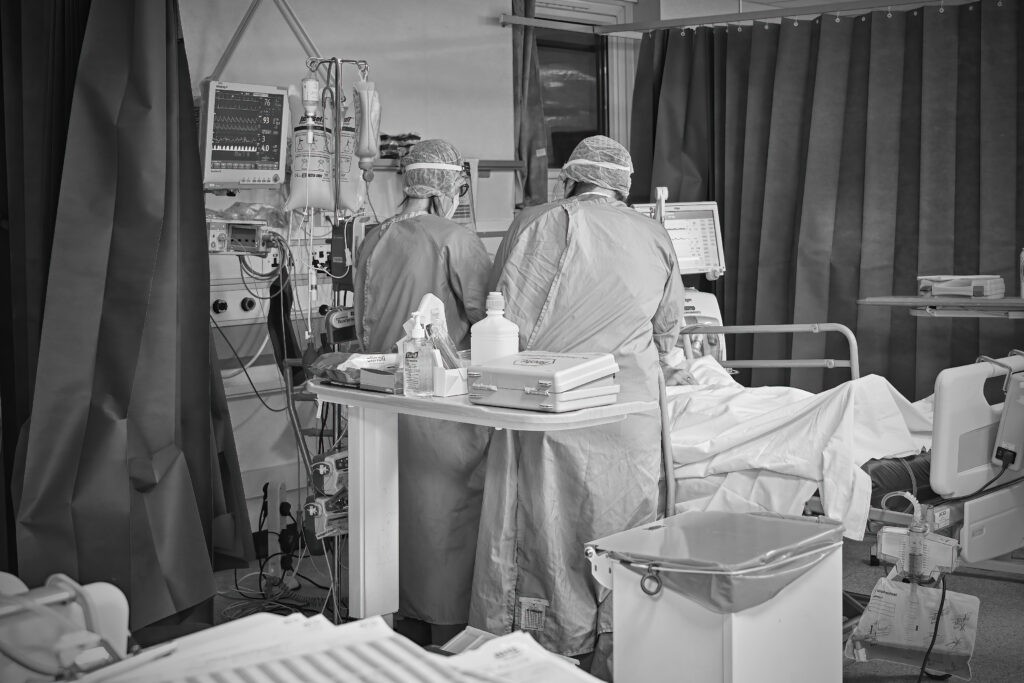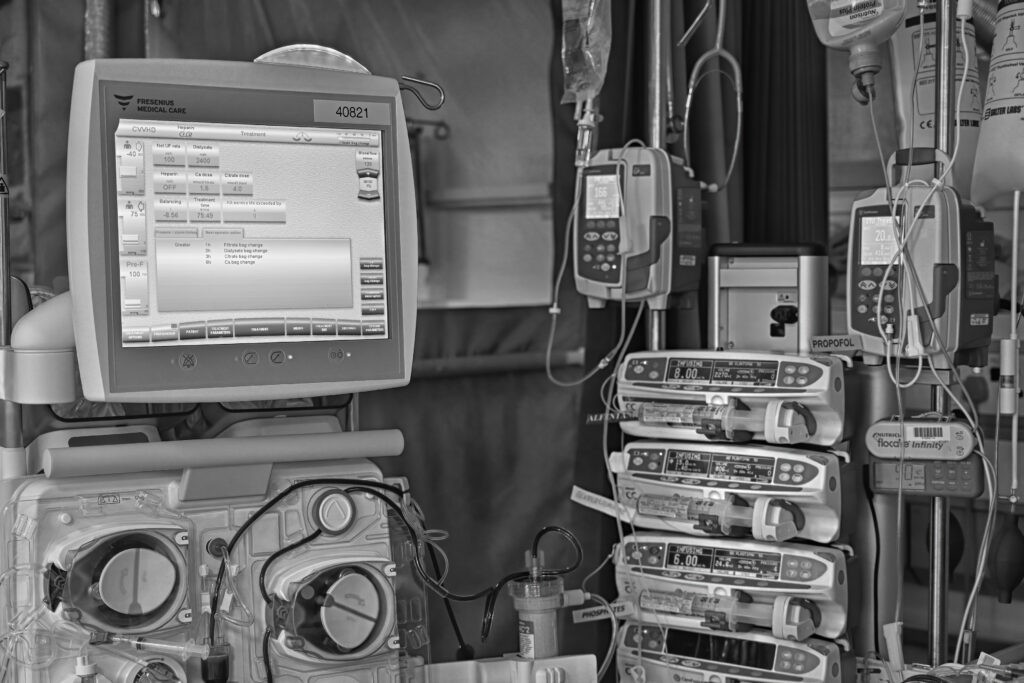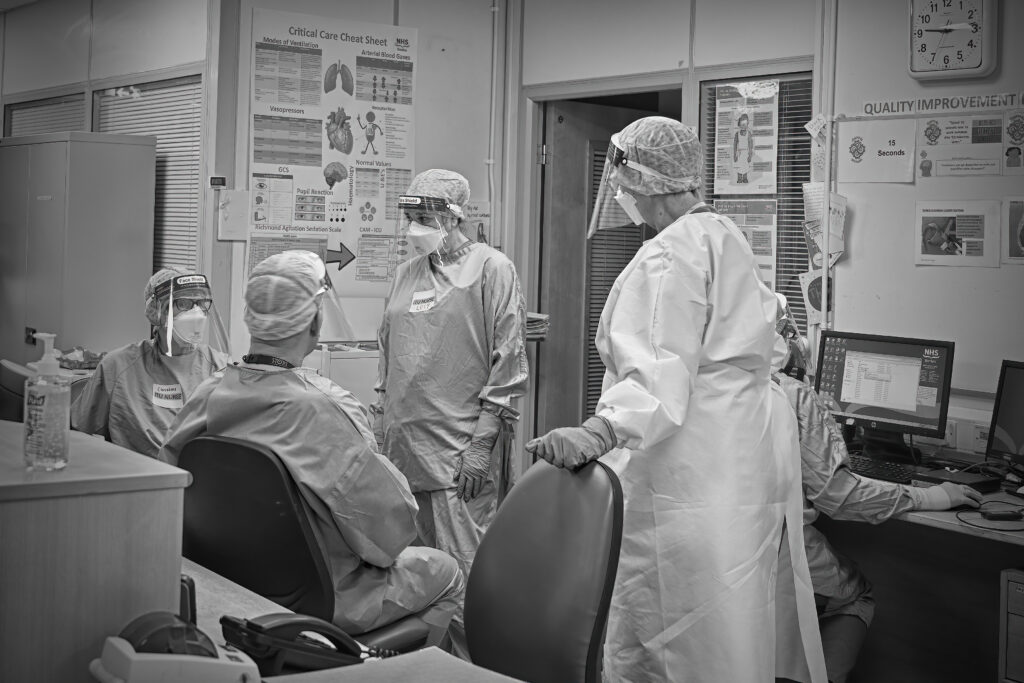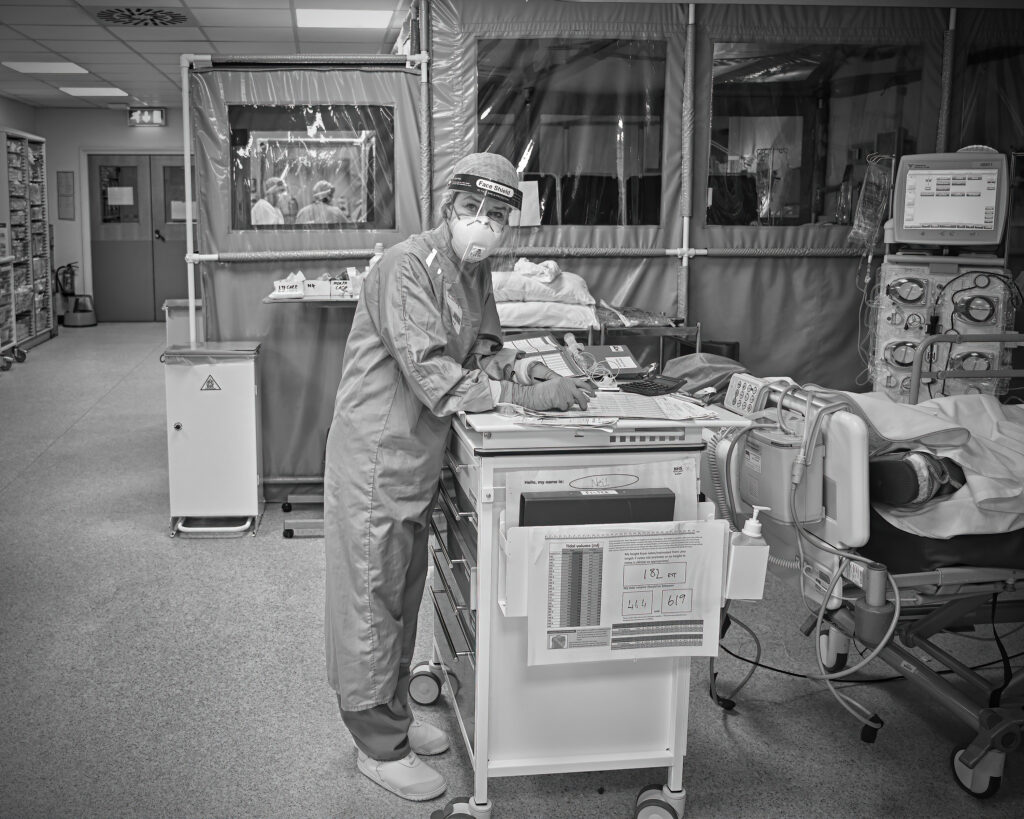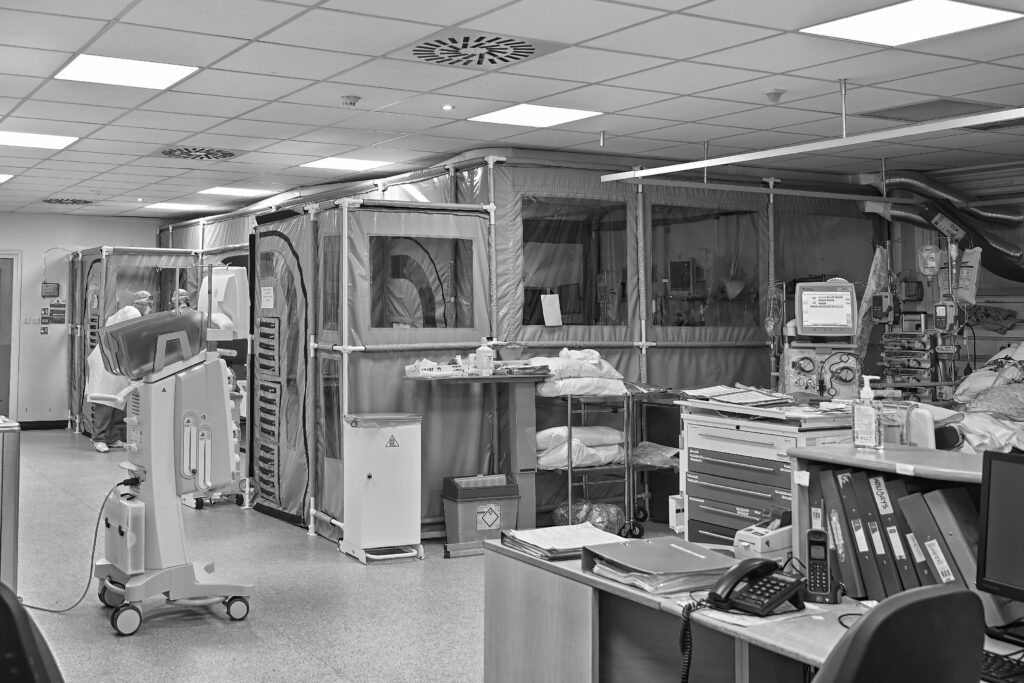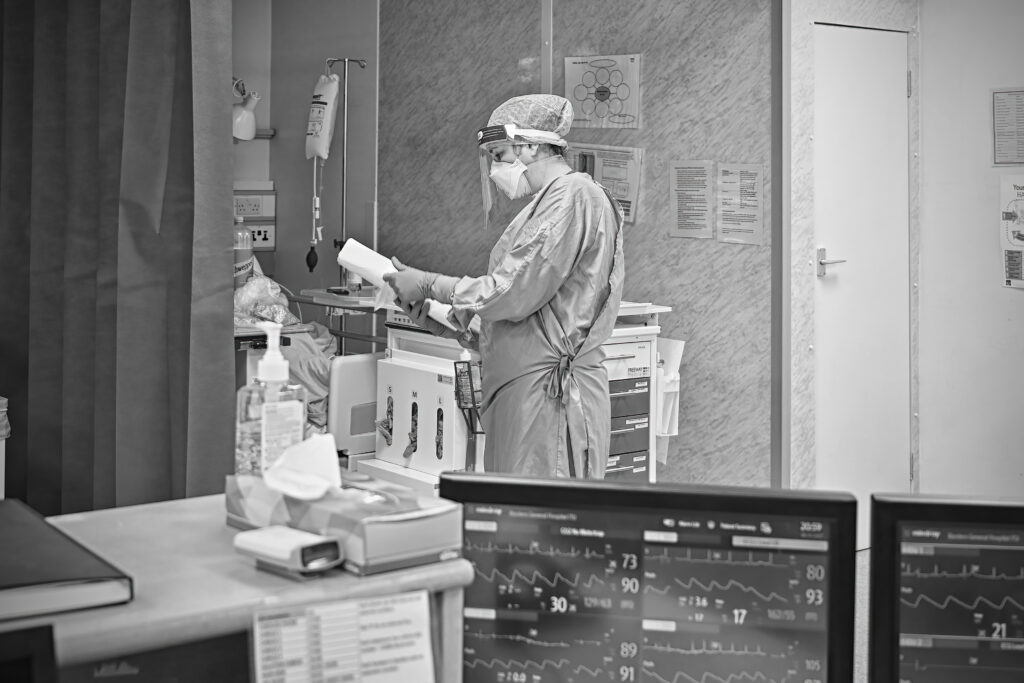

“The physical location can be called the intensive care unit (ICU), the high dependency unit or simply critical care. It should contain 10 percent of the total number of beds in the hospital and be located close to the operating theatres and the emergency department. Each individual bed area has specialised equipment including a life-support or breathing machine, multiple medication pumps, dialysis machines and monitoring equipment. The most important item next to each bed, however, is none of these. It is a patient’s own nurse” Matt Morgan, Inside: Stories from the Front Line of Critical Care Medicine, p.6-7.
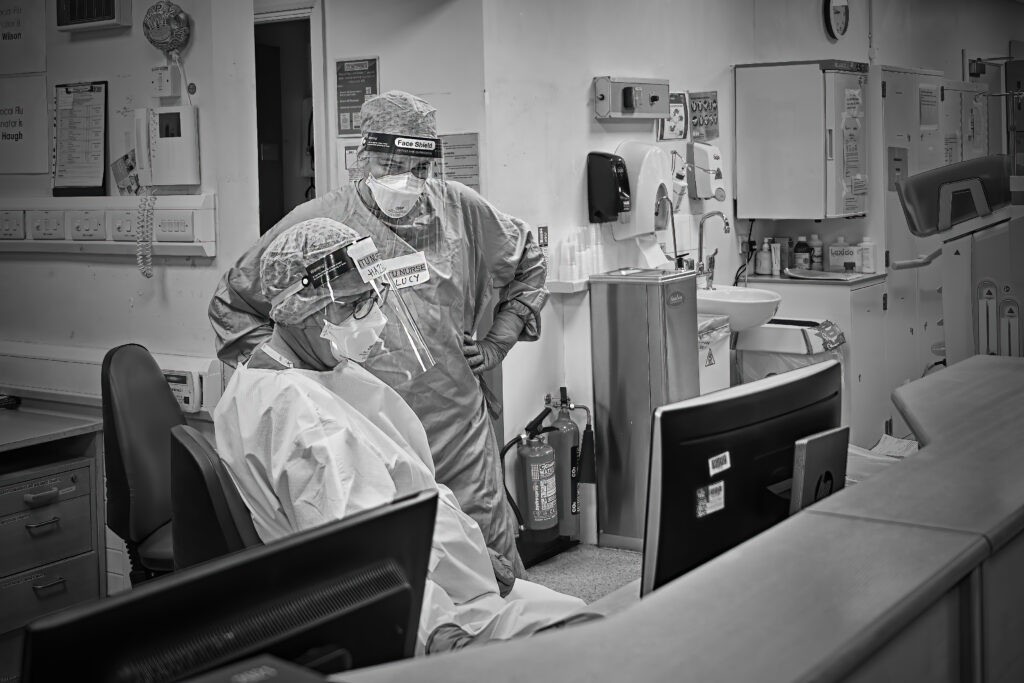
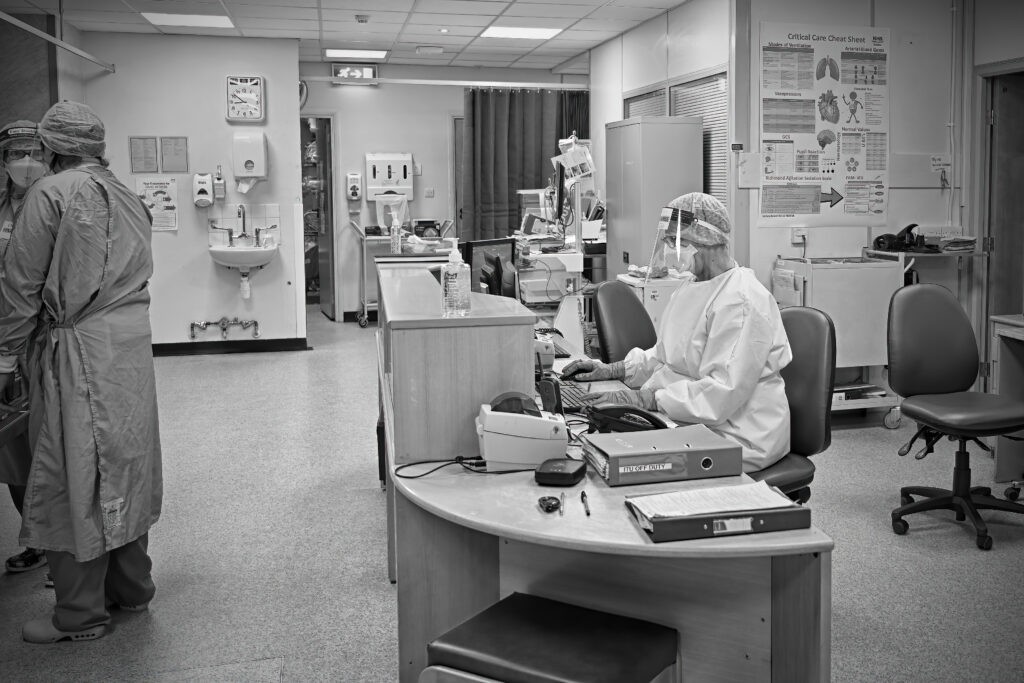
Over the past few years, I have grown to understand a considerable amount about ICU Nursing. One thing that has become apparent though is just how little we, and the general public more broadly, know about the place or the profession that we rely on when disaster strikes. Even after a global pandemic in which critical care played a central role as a last line of defence, it still retains a huge amount of mystery. In normal times it is an inaccessible area of the hospital (understandably behind a pin coded door) and during COVID a further steel ring was thrown up around it. So, whilst ICU was inundated and busier than ever, what was actually going on within this setting was largely invisible to us all. There were, however, some brilliant examples of people trying to counteract this mystery during the pandemic through the use of photography. This included, for example, Nick Mason’s photos of a Welsh ICU and Jonny Weeks’ photos of an ICU in Coventry and Graeme Robertson’s photos of an ICU in London. These were so incredibly powerful that I really wanted to integrate a similar element into the COVID’s Hidden Scars installation. Whilst it is meant to have an otherworldly feel to it, an important aim of the installation to improve public understanding of ICU.
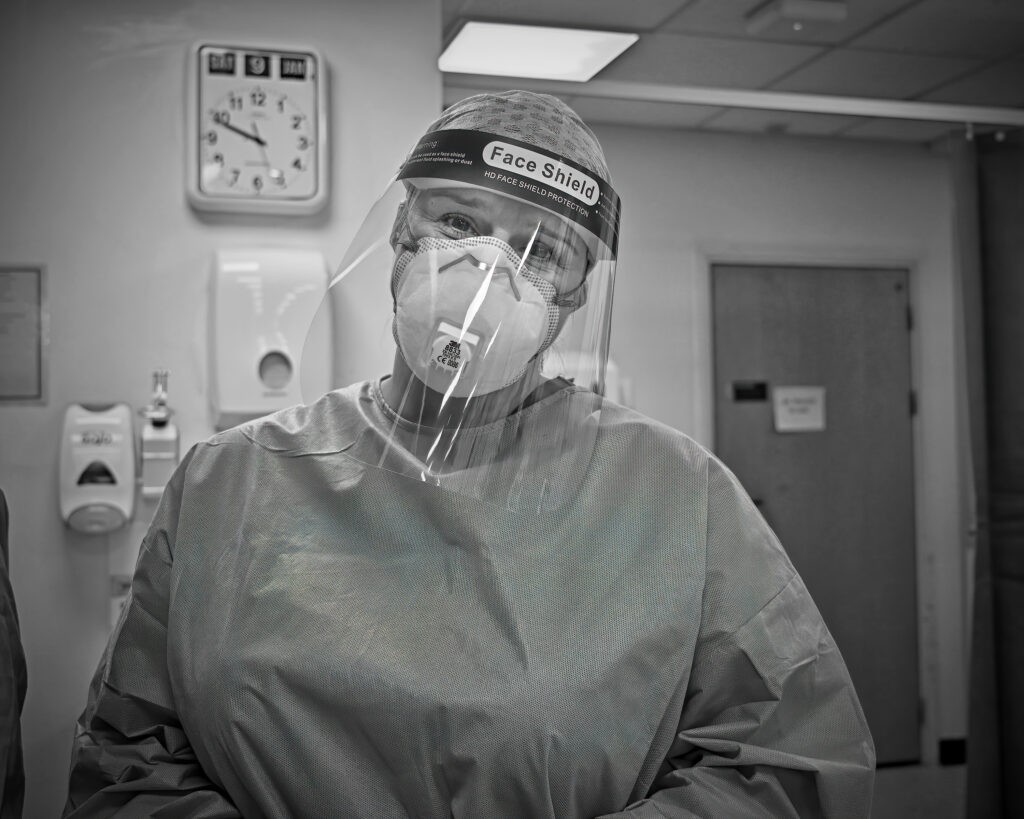
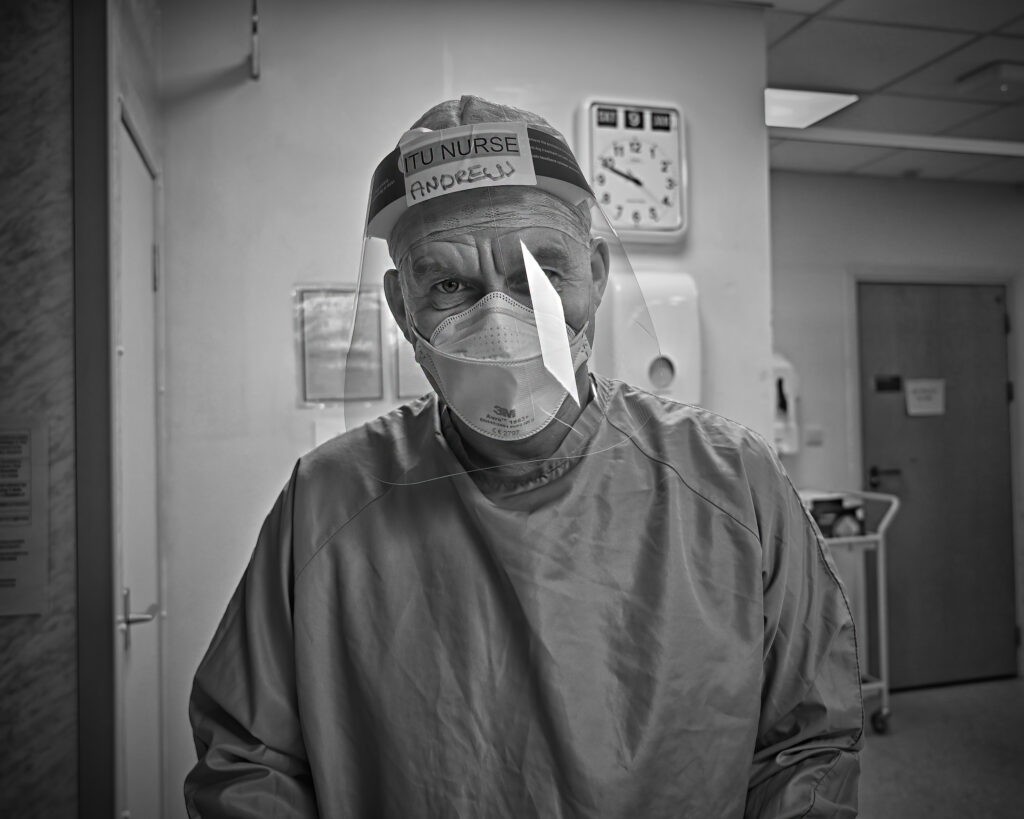
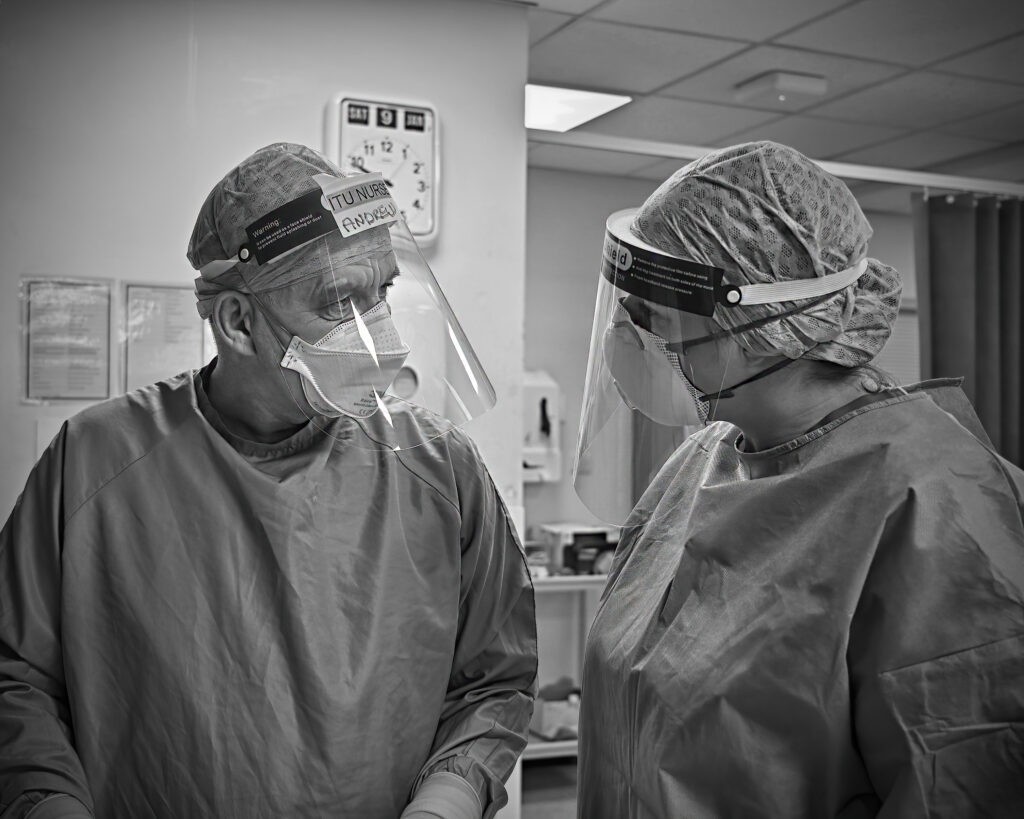
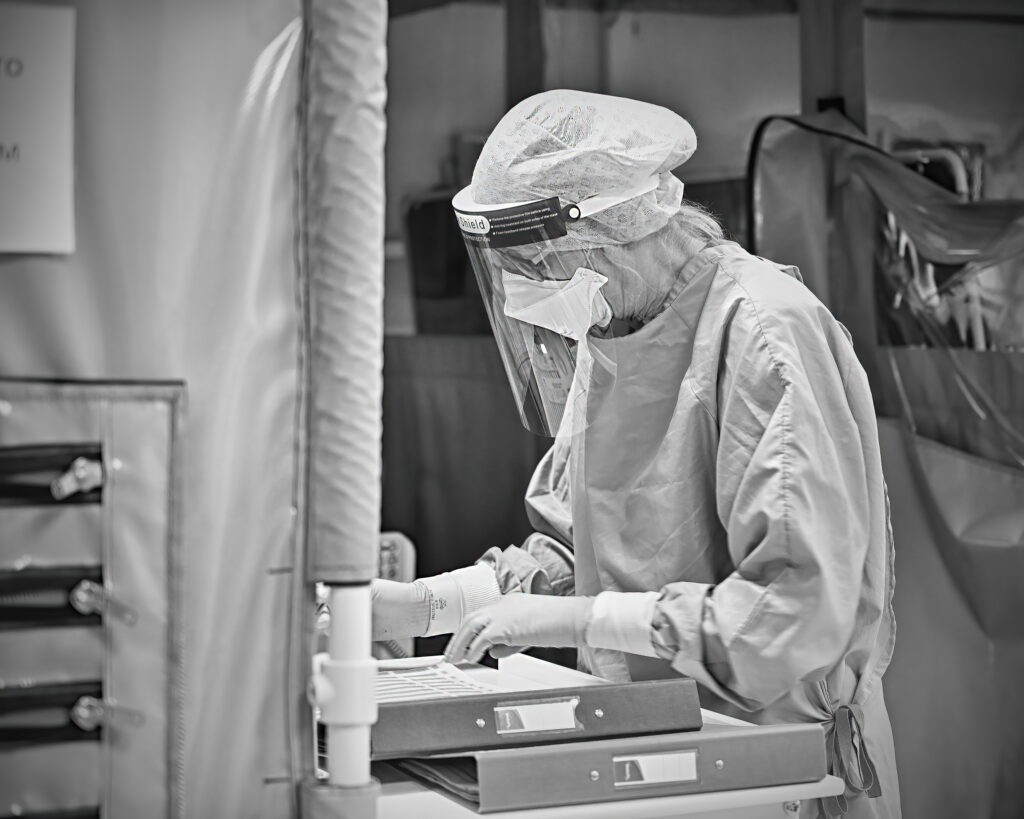
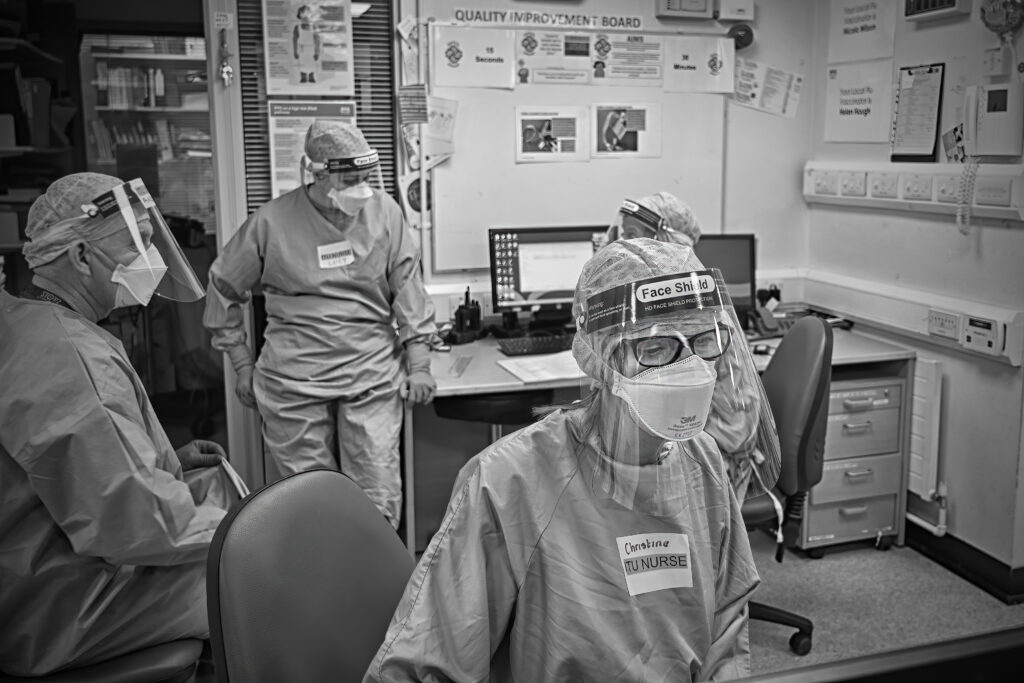
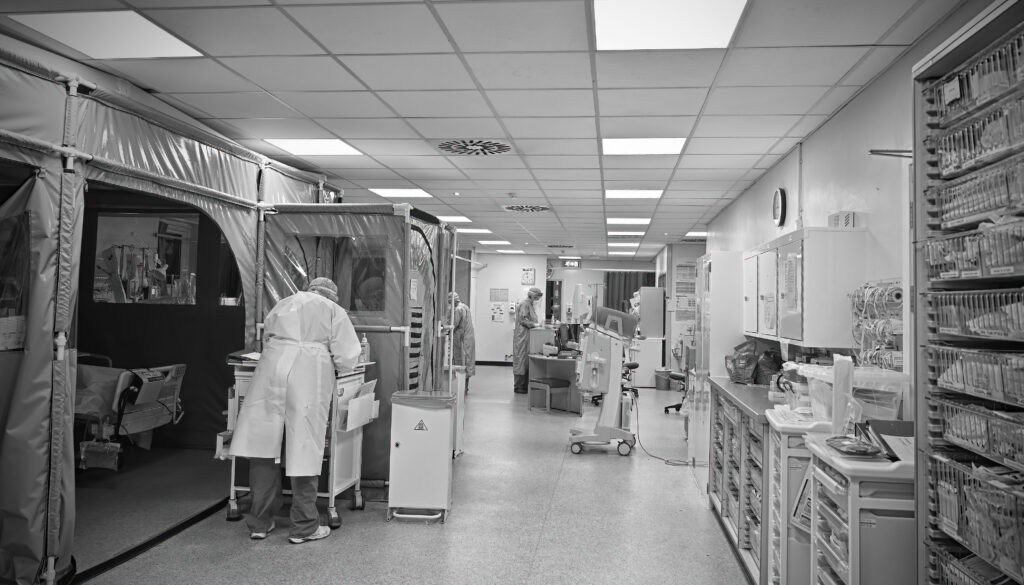
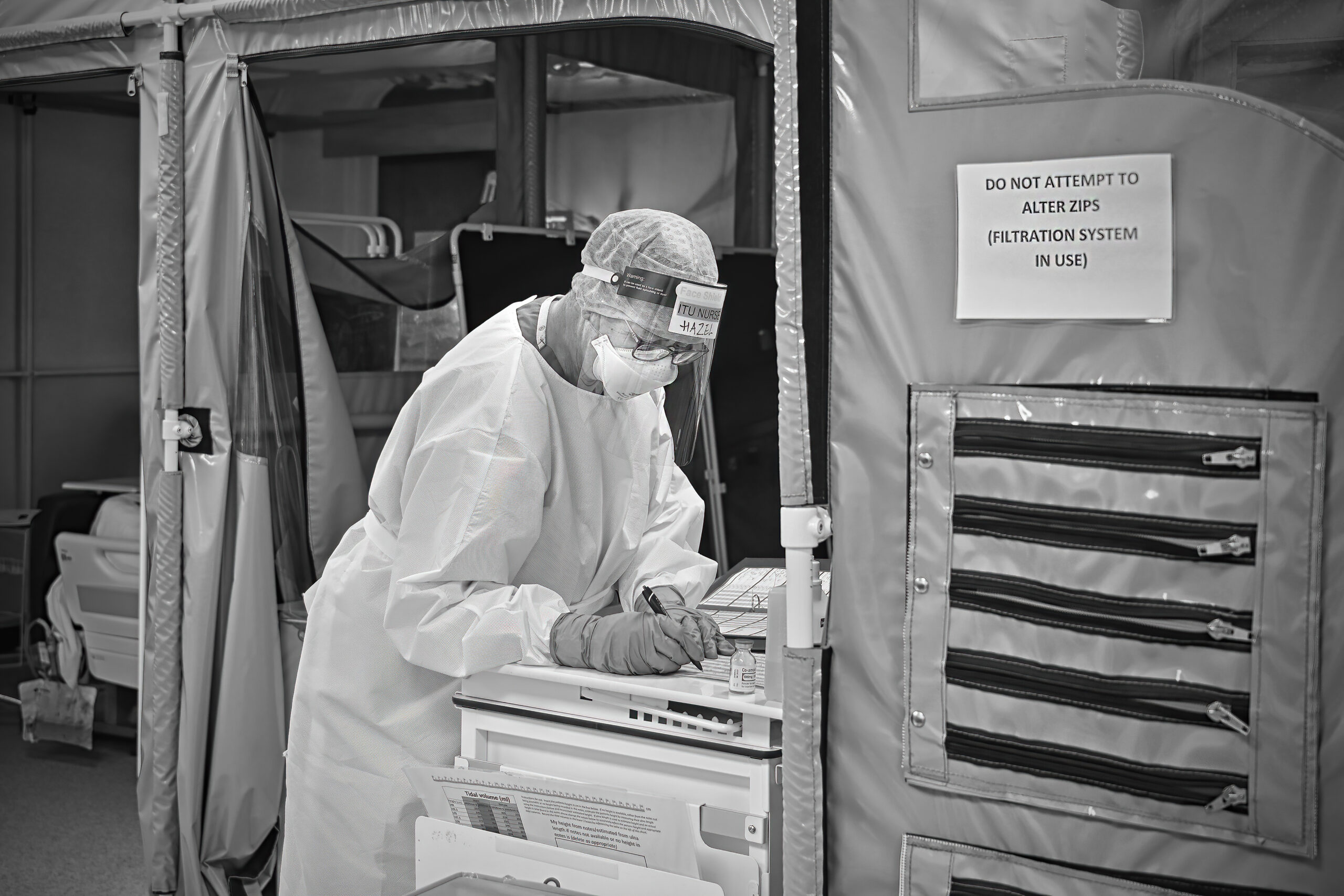
I was incredibly happy therefore, when one of the nurses in the study (in 2025) told me about an amateur photographer, Yid Whells, who had been allowed into Borders Hospital in Scotland during some of its busiest moments during the pandemic. I asked to speak with Yid and, luckily, he agreed and told me all about the days he had spent on the ICU ward a few years previously. Amazingly, with permission of all those in the hospital and those being treated on the ward, he had taken hundreds of photos that showed the challenges, the strength and hope and hard work and professionalism being displayed by the healthcare workers on the ICU. It also helped to show the great bravery of patients going through treatment. Moreover, quite amazingly, he told me that these photos had never been seen before by the public. They had been shared with the ICU, but previous agreements to show them publicly had fallen through for one reason or another. Yid very kindly agreed to share the photographs for the installation and for us to display them for the public with the hope of showing even more clearly (alongside the stories and experiences of the nurses) what actually happened just a few years ago.
Whilst we could integrate a selection of photos above the bed in the installation I have made a few more of these available below! Please let us know what you think of them and/or the wider installation below in the comments. We would love to hear what it made you think about, reflect on and feel as well as any thoughts you have on it and nursing more generally.